INQUIRE
Superfloc N-1986 is a high mol...


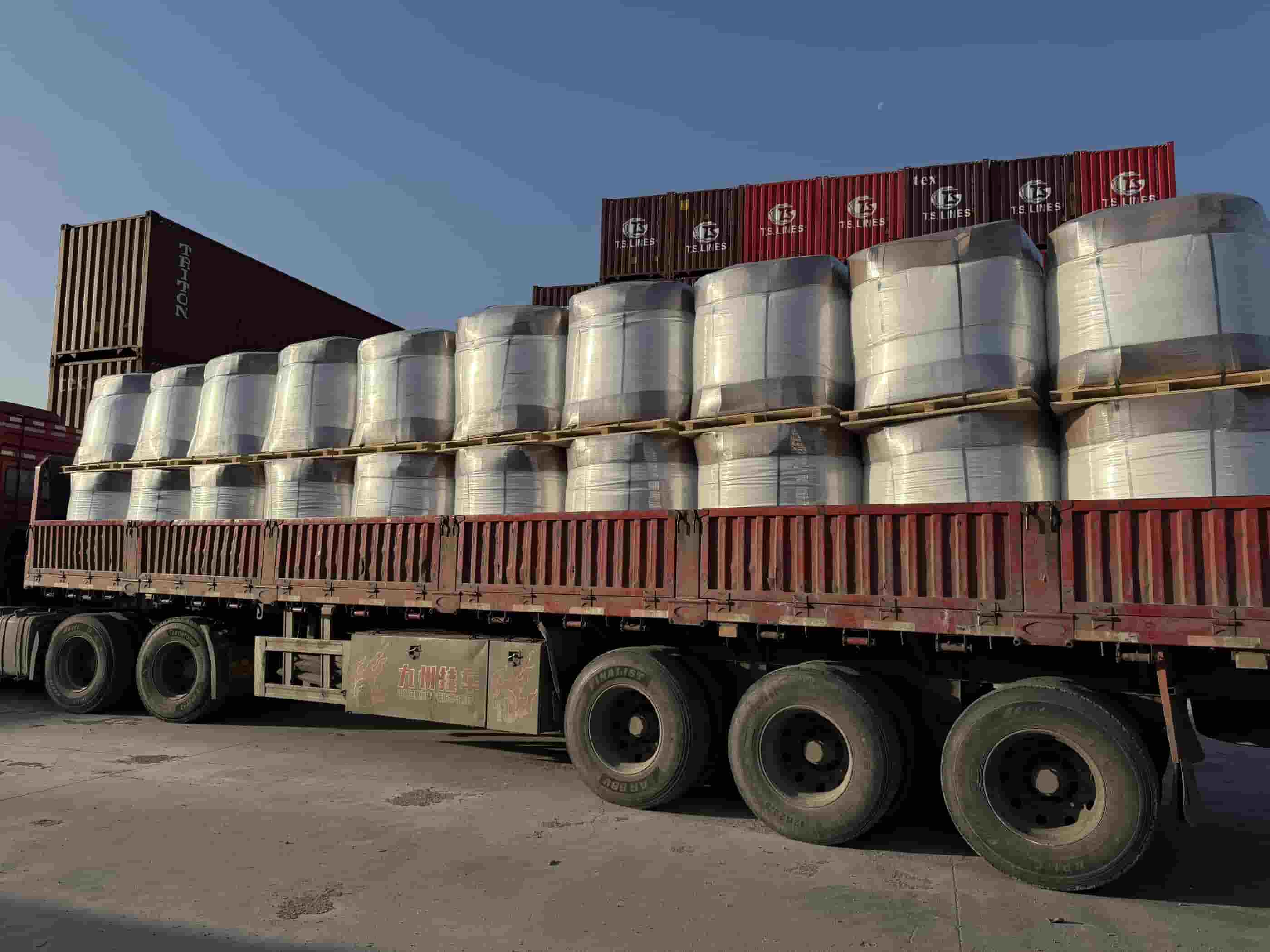
MAGNAFLOC-1011 SS is a high-performance anionic polyacrylamide flocculant designed for efficient solid–liquid separation in a wide range of industrial and municipal processes.
Application of MAGNAFLOC-1011 SS Anionic Flocculant
MAGNAFLOC-1011 SS is a high-performance anionic polyacrylamide flocculant designed for efficient solid–liquid separation in a wide range of industrial and municipal processes. As an anionic flocculant, MAGNAFLOC-1011 SS is characterized by high molecular weight, strong polymer-bridging capability, and excellent adaptability to different water chemistries. These properties make MAGNAFLOC-1011 SS particularly effective in clarification, thickening, sludge dewatering, and water recovery applications where fine, negatively charged or mineral-based particles must be removed efficiently.
One of the most important applications of MAGNAFLOC-1011 SS anionic flocculant is in mining and mineral processing operations. Ore beneficiation, grinding, flotation, and washing processes generate large volumes of slurry containing ultra-fine mineral particles. These particles remain suspended due to their small size and surface charge, resulting in slow settling and poor clarification if untreated.
When MAGNAFLOC-1011 SS is added to mineral slurries, its long polymer chains adsorb onto particle surfaces and form bridges between individual particles. This polymer-bridging mechanism creates large, dense flocs that settle rapidly in thickeners and clarifiers. The use of MAGNAFLOC-1011 SS increases thickener underflow density and produces clear overflow water that can be reused as process water. Improved water recovery reduces freshwater consumption and lowers operating costs, while higher solids concentration enhances tailings transport efficiency and tailings storage stability.
MAGNAFLOC-1011 SS is widely applied in tailings thickening systems, including high-rate and high-density thickeners. Effective flocculation is critical for achieving fast settling rates and stable bed formation in these units. MAGNAFLOC-1011 SS provides strong and shear-resistant flocs that withstand the hydraulic and mechanical forces present in large thickeners.
By improving settling kinetics, MAGNAFLOC-1011 SS enables higher throughput and better overflow clarity. Clear overflow water can be recycled back into the plant, improving overall water efficiency and supporting sustainable mining practices. At the same time, higher underflow solids content reduces the volume of tailings slurry sent to disposal, improving tailings management and reducing environmental impact.
Another major application of MAGNAFLOC-1011 SS anionic flocculant is in industrial wastewater treatment. Industries such as metallurgy, steel production, power generation, chemical manufacturing, ceramics, stone processing, and construction materials generate wastewater with high suspended solids and inorganic fines.
In these applications, MAGNAFLOC-1011 SS is commonly used after inorganic coagulants such as ferric chloride, aluminum sulfate, polyaluminum chloride, or lime. While coagulants destabilize colloidal particles, MAGNAFLOC-1011 SS strengthens and enlarges the flocs, significantly accelerating sedimentation. This results in lower effluent turbidity, improved clarification efficiency, and more stable plant operation. The use of MAGNAFLOC-1011 SS also reduces the burden on downstream filtration or membrane systems, extending equipment life and reducing maintenance costs.
MAGNAFLOC-1011 SS plays a crucial role in sludge thickening and mechanical dewatering. Sludges from industrial wastewater treatment, mining operations, and some municipal processes often contain fine mineral particles that retain large amounts of water.
The application of MAGNAFLOC-1011 SS improves sludge conditioning by forming large, porous flocs that release free water more easily. In gravity thickeners, it increases settling speed and underflow solids concentration. In mechanical dewatering equipment such as belt filter presses, centrifuges, screw presses, and filter presses, MAGNAFLOC-1011 SS enhances cake dryness and improves filtrate clarity. Higher cake solids reduce sludge volume, lowering transportation and disposal costs and improving overall process economics.
In municipal water treatment, MAGNAFLOC-1011 SS is often used as a coagulant aid to improve flocculation and sedimentation following primary coagulation with aluminum or iron salts. It increases floc size and density, leading to faster settling and improved clarifier performance. Improved turbidity removal also enhances filtration efficiency and finished water quality.
In municipal wastewater treatment, MAGNAFLOC-1011 SS is mainly applied for sludge thickening and chemically assisted clarification. Its stable performance under varying flow and solids loading conditions makes it suitable for large treatment plants requiring consistent and reliable operation.
MAGNAFLOC-1011 SS is also used in the pulp and paper industry for white water clarification, fiber and filler recovery, and paper mill sludge dewatering. Fine fibers, fillers, and pigments suspended in white water can be efficiently flocculated, allowing valuable raw materials to be recovered and reused. Improved white water clarity supports higher levels of internal water recycling and reduces effluent discharge.
The application of MAGNAFLOC-1011 SS anionic flocculant offers significant environmental and economic benefits. Improved solid–liquid separation reduces water consumption, lowers sludge volume, and helps facilities comply with environmental regulations. Reduced chemical dosage, improved energy efficiency in dewatering, and enhanced process stability contribute to lower operating costs and more sustainable operations.
455.jpg "CANCÉ-BRIAND")