INQUIRE
Superfloc N-1986 is a high mol...


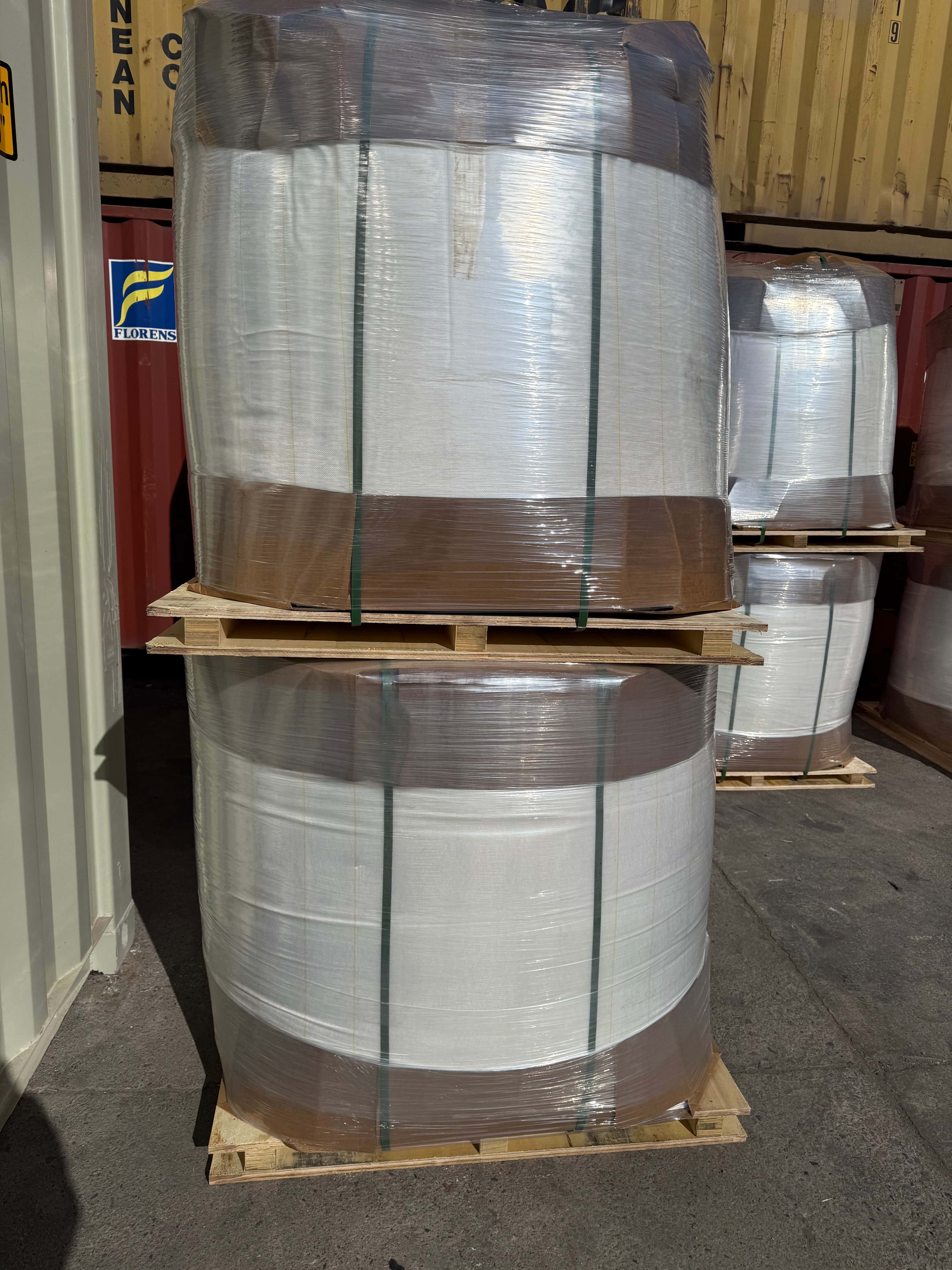
ZETAG 4120 DK is a high-performance anionic polyacrylamide flocculant designed for demanding solid–liquid separation processes in mining, mineral processing, alumina refining, and industrial water treatment
ZETAG 4120 DK is a high-performance anionic polyacrylamide flocculant designed for demanding solid–liquid separation processes in mining, mineral processing, alumina refining, and industrial water treatment. It is typically supplied as a dry, free-flowing granular powder and is characterized by high molecular weight with low-to-medium anionic charge density, allowing it to efficiently aggregate fine and ultra-fine suspended solids into large, rapidly settling flocs.
One of the primary applications of ZETAG 4120 DK is in mineral processing and ore beneficiation circuits. In industries such as copper, gold, iron ore, coal, nickel, and phosphate mining, large volumes of slurry must be clarified to recover process water and maintain stable plant operation. ZETAG 4120 DK functions mainly through polymer bridging, adsorbing onto mineral particle surfaces and linking them together into strong floc structures. This results in accelerated settling rates in thickeners and clarifiers, improved underflow solids concentration, and enhanced overflow clarity.
By producing clearer overflow water, ZETAG 4120 DK supports efficient water recycling back into grinding, flotation, and leaching circuits. This reduces freshwater consumption, lowers operating costs, and improves overall process control, especially in large-scale mining operations with closed or semi-closed water loops.
ZETAG 4120 DK is widely used in tailings thickening and tailings water recovery systems. Tailings streams typically contain a high proportion of fine and colloidal particles that settle slowly without chemical assistance. When applied in high-rate, high-density, or deep-cone thickeners, ZETAG 4120 DK significantly enhances floc formation and settling kinetics.
The use of ZETAG 4120 DK enables mining operators to achieve higher underflow densities, reduce tailings storage volumes, and improve tailings dam stability. Improved water recovery from tailings supports sustainable water management practices and is particularly important in arid regions where water availability is limited. In paste and thickened tailings applications, the strong floc structure formed by ZETAG 4120 DK helps maintain underflow consistency while resisting shear forces within deep thickeners.
Another critical application area for ZETAG 4120 DK is the alumina refining industry, particularly in the Bayer process. During alumina production, red mud separation and washing are among the most challenging steps due to the extremely fine particle size, high alkalinity, and high solids content of the slurry. ZETAG 4120 DK is used to improve red mud settling, thickening, and washing performance.
In primary settlers and washer circuits, ZETAG 4120 DK promotes rapid aggregation of red mud particles, increasing settling rates and improving washer throughput. The resulting clearer overflow liquor is essential for effective caustic soda recovery and reduced soda losses. By minimizing suspended solids carryover, ZETAG 4120 DK also reduces scaling and fouling in downstream evaporation, precipitation, and heat exchange equipment.
ZETAG 4120 DK is effective in industrial wastewater treatment applications involving inorganic suspended solids. It is commonly used to clarify effluents from steel plants, power stations, cement factories, chemical manufacturing facilities, and construction materials industries. Typical contaminants include metal hydroxides, silica, clay, fly ash, and mineral fines.
In many systems, ZETAG 4120 DK is applied in combination with inorganic coagulants such as polyaluminum chloride (PAC), aluminum sulfate, or ferric salts. The coagulant neutralizes particle surface charge, while ZETAG 4120 DK enhances floc growth, strength, and settling speed. This synergistic approach improves clarification efficiency and helps facilities meet strict discharge or reuse standards.
ZETAG 4120 DK is also widely used in sludge thickening and mechanical dewatering processes. In gravity thickeners, belt filter presses, centrifuges, and vacuum filters, the polymer improves water release by forming large, porous, and shear-resistant flocs. These flocs allow water to drain more easily under gravity or mechanical pressure, resulting in higher cake solids content and reduced sludge volume.
Improved dewatering performance leads to lower polymer consumption per ton of dry solids, reduced energy usage, and lower transportation and disposal costs. This makes ZETAG 4120 DK particularly valuable in industrial facilities seeking to optimize sludge handling and reduce overall operating expenses.
In process water clarification systems, ZETAG 4120 DK helps produce low-turbidity overflow water suitable for reuse within industrial plants. Clean recycled water protects pumps, pipelines, and downstream equipment from abrasion and fouling. It also stabilizes reagent performance in flotation, leaching, and precipitation processes, contributing to consistent metallurgical results.
ZETAG 4120 DK is valued for its wide pH operating range, tolerance to high salinity, and stable performance under variable water chemistry and solids loading. It is typically prepared as a dilute aqueous solution using standard polymer make-down equipment. Proper dilution, hydration time, and gentle mixing are critical to ensure full polymer activation and optimal flocculation efficiency.
455.jpg "CANCÉ-BRIAND")